
Sustainable Movement for Life
Long-term physiotherapy success depends on understanding the principles of progressive recovery, consistent movement adaptation, and evidence-based rehabilitation strategies.
Key Benefits of Long-term Movement Training
Enhanced Joint Mobility
Progressive movement protocols improve range of motion across major joints. Through guided movement exercises, tissues gradually adapt and mobility expands safely, supporting daily activities and reducing movement restrictions.
Core Strengthening & Stability
A strong core foundation prevents compensatory movement patterns. Therapeutic exercises targeting core muscles support proper posture, improve balance, and reduce strain on vulnerable areas during functional movement.
Discomfort Reduction
Evidence-based movement strategies address muscle tension and spasm patterns. Guided therapeutic exercises reduce tissue irritation, improve neuromuscular control, and support the body's natural healing mechanisms over time.
Improved Flexibility
Structured stretching and kinesiotherapy programs improve tissue elasticity and relieve muscular tension. Consistent flexibility work supports healthy movement patterns and prevents stiffness from limiting daily function.
Personalized Movement Adaptation
Every person's recovery path is unique. An individualized program adjusts based on your progress, biomechanical assessment, and specific movement goals, ensuring sustainable long-term improvement.
Long-term Prevention
Consistent therapeutic movement builds resilience and prevents recurrence. By maintaining strength, flexibility, and proper movement biomechanics, you support lasting recovery and reduce future injury risk.
Why Consistency Matters in Recovery
Long-term movement success requires consistent engagement with evidence-based therapeutic protocols. Unlike quick-fix approaches, sustainable recovery builds gradually through regular practice of guided movement exercises and progressive adaptation.
-
Progressive Challenge
Exercises advance systematically, preventing plateaus and ensuring tissues continue adapting to increasing demands safely.
-
Neural Adaptation
Repeated, guided movement trains the nervous system to recruit muscles efficiently, improving coordination and balance over time.
-
Tissue Remodeling
Connective tissues require sustained stimulus to reorganize. Consistent therapeutic exercise supports healthy muscle tone and joint stability.
-
Behavioral Integration
Regular practice establishes movement habits, ensuring beneficial exercises become part of daily life rather than temporary interventions.

Consistency Timeline: Most individuals notice improved mobility within 4-6 weeks of regular guided movement practice. Significant strength and stability gains typically emerge over 8-12 weeks. Long-term tissue remodeling and injury prevention continue developing over several months of sustained engagement.
Your 4-Week Progressive Movement Plan
Assessment & Foundation
Initial movement assessment identifies your baseline mobility, muscle tone, and functional limitations. Foundational therapeutic exercises introduce proper movement patterns and joint awareness.
- Physical assessment
- Movement biomechanics review
- Introductory exercises
Active Mobility Building
Guided movement exercises expand range of motion and improve joint articulation. Stretching protocols begin addressing tension patterns while maintaining safe progression.
- Joint mobility exercises
- Gentle stretching routines
- Muscle tone regulation
Core Strengthening Phase
Therapeutic exercises targeting core stability and muscle strengthening increase functional capacity. Progressive resistance through bodyweight and controlled movement patterns builds endurance.
- Core activation exercises
- Progressive resistance
- Balance coordination work
Integration & Planning
Reassessment measures progress in mobility, strength, and functional capacity. Your personalized long-term program builds on successful adaptations and addresses remaining movement limitations.
- Progress reassessment
- Program advancement planning
- Maintenance strategy
Important Note: This 4-week timeline represents a general framework. Individual progression varies based on your specific condition, movement baseline, and commitment to guided exercises. A qualified physiotherapy specialist assesses your unique situation and adjusts timing accordingly. The goal is sustainable recovery, not rapid results — proper progression prevents setbacks and builds lasting improvement.
Movement Techniques in Action
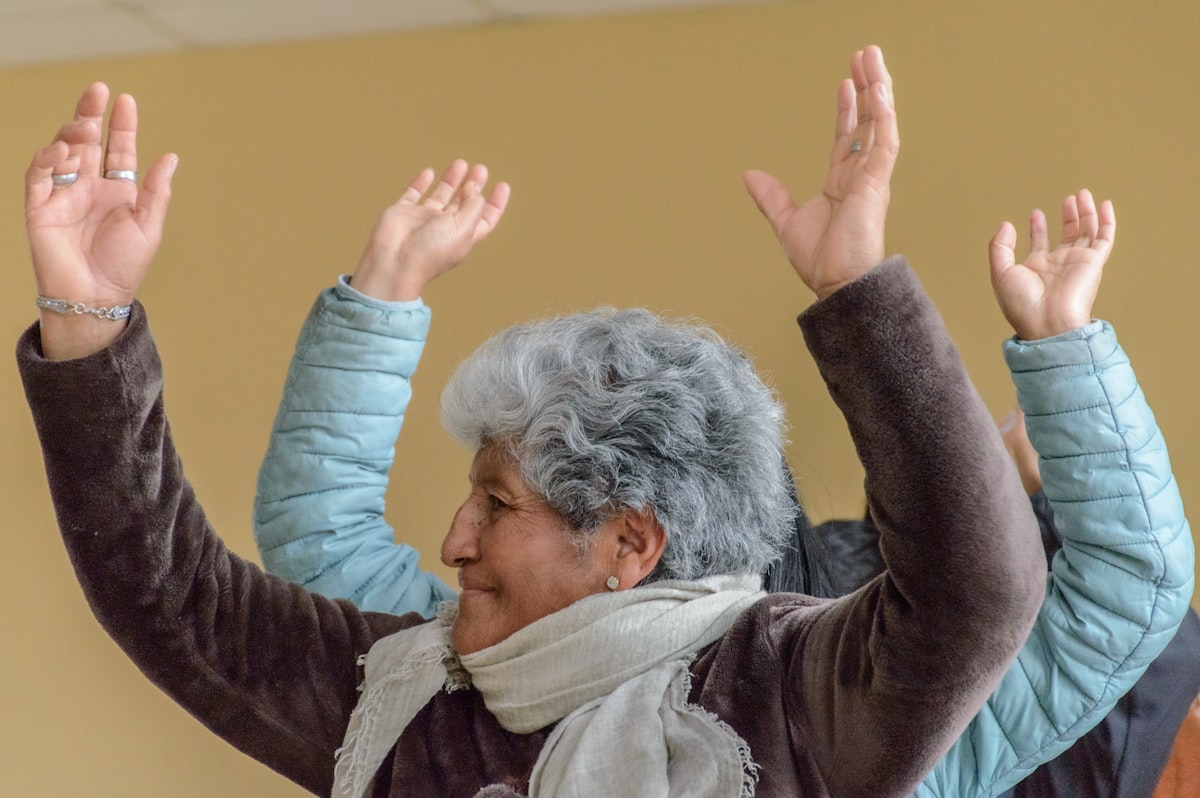
Joint Mobility Exercises
Guided movement patterns expanding range of motion safely
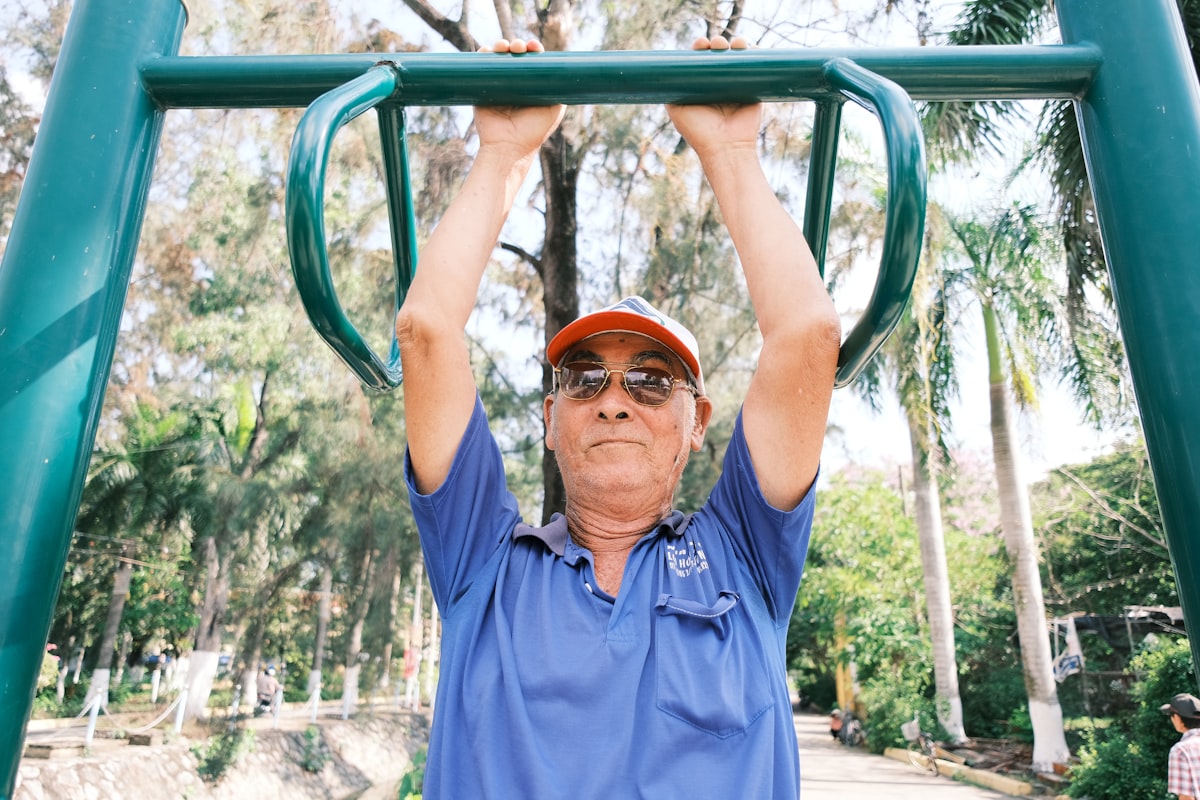
Core Activation
Building stability foundation through therapeutic exercise
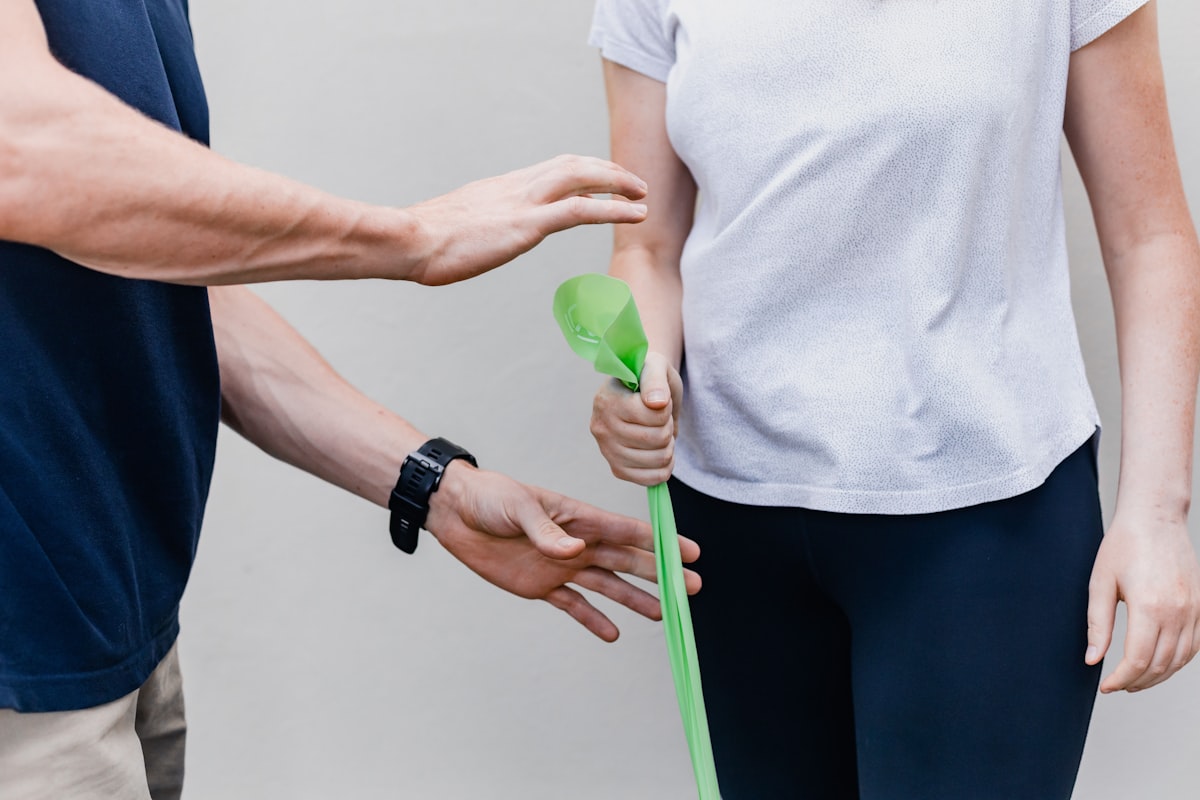
Balance Training
Neuromuscular coordination supporting functional movement

Flexibility Work
Tissue elasticity improvement and tension relief

Movement Awareness
Proprioceptive development enhancing body-space awareness

Functional Integration
Applying improved movement to real-world activities
Patient Success Stories
"After months of struggling with limited mobility following injury, the personalized movement program helped me regain confidence in my body. The progressive approach meant I could see tangible improvements without setbacks. What impressed me most was how the guided exercises became part of my daily routine naturally."
Sarah Mitchell, Leeds
"The evidence-based approach gave me reassurance that every exercise served a specific purpose. I appreciated the flexibility of adjusting my program based on progress rather than following a generic template. My core strength improved significantly, and my posture naturally corrected over time."
James Richardson, Manchester
"I was concerned about re-injuring myself, but the qualified specialist's guidance made me feel safe throughout the entire process. The emphasis on proper movement biomechanics rather than quick fixes has given me lasting results. Six months in, I feel stronger and more resilient than before my injury."
Emily Chen, Birmingham
Common Questions About Long-term Physiotherapy
How long does recovery typically take?
Recovery timelines vary significantly based on individual conditions, injury severity, and consistency of therapeutic exercise. Initial improvements in mobility often appear within 4-6 weeks of regular guided movement practice. Substantial strength and functional gains typically emerge over 8-12 weeks. Long-term tissue remodeling and injury prevention continue developing over several months. A qualified specialist assesses your specific situation and provides realistic progression expectations.
Can I do therapeutic exercises at home?
Yes, home-based therapeutic exercises are a cornerstone of long-term recovery. A qualified physiotherapy specialist designs an individualized program and teaches proper form, ensuring you perform exercises safely and effectively. Home practice between consultations accelerates adaptation and reinforces healthy movement patterns. Consistency matters more than intensity — regular guided movement at home often produces better results than sporadic intensive sessions.
What is joint gymnastics and how does it help?
Joint gymnastics refers to controlled, guided movement exercises targeting specific joint articulation and mobility. These remedial exercises improve range of motion, reduce stiffness, and promote healthy synovial fluid distribution within joints. Joint gymnastics supports the biomechanics of movement and can address discomfort patterns related to limited mobility. When performed consistently under proper guidance, joint gymnastics contributes significantly to long-term mobility maintenance.
Is kinesiotherapy suitable for all conditions?
Kinesiotherapy, or therapeutic movement, can address many conditions affecting mobility and movement quality. However, an individualized assessment by a qualified specialist is essential to determine suitability. Certain acute conditions or specific medical situations may require different timing or modifications. A comprehensive physical assessment identifies your baseline and guides appropriate therapeutic exercise selection, ensuring safe and effective recovery support.
What makes evidence-based physiotherapy different?
Evidence-based physiotherapy relies on scientific research and proven principles of biomechanics, tissue adaptation, and neuromuscular learning rather than traditional assumptions. This approach tailors therapeutic exercises to your specific movement patterns and adaptation needs. Evidence-based methods prioritize sustainable improvement and injury prevention over quick fixes, resulting in more reliable long-term outcomes and reduced recurrence risk.
How does posture relate to movement recovery?
Healthy posture and proper movement biomechanics are deeply connected. Poor postural alignment creates compensatory stress patterns, limiting recovery and increasing future injury risk. Therapeutic exercises improve core strength and body awareness, naturally supporting better postural alignment. As movement quality improves through guided practice, posture typically corrects without forced positioning — this creates sustainable, effortless better alignment integrated into daily activities.
Why Choose Motion Recovery Helper
Evidence-Based Approach
All therapeutic protocols are grounded in scientific research and proven principles of movement biomechanics, ensuring reliable, sustainable results.
Personalized Recovery Plans
Every individual's movement needs are unique. We customize therapeutic strategies based on your specific condition, fitness level, and recovery goals.
Progressive Movement Guidance
From gentle mobility work to functional strength training, we guide you through each phase of recovery with clear milestones and expert feedback.
Real-Time Progress Tracking
Monitor your recovery journey with detailed analytics, performance metrics, and visual progress reports that keep you motivated and informed.
Success Stories from Our Community
See how Motionrecoveryhelper has transformed the recovery journeys of athletes and individuals worldwide.
"After my ACL injury, I was worried about getting back to running. Motionrecoveryhelper's personalized program got me back to 100% in just 4 months. The guided exercises and progress tracking were game-changers."
James Mitchell
Athlete, Former Injury
"I've struggled with chronic back pain for years. The evidence-based approach and mobility exercises in Motionrecoveryhelper have reduced my pain by 80%. Finally, something that works!"
Sarah Rodriguez
Chronic Pain Sufferer
"As a physical therapist, I recommend Motionrecoveryhelper to my patients. The structured programs complement clinical treatment perfectly and accelerate recovery outcomes."
Kevin Chen
Physical Therapist
Frequently Asked Questions
Find answers to common questions about Motionrecoveryhelper and how it can support your recovery.
How is Motionrecoveryhelper different from generic exercise apps?
Do I need to be under professional supervision to use the app?
How long does a typical recovery take?
Can I use Motionrecoveryhelper for prevention, or only after injury?
What if I don't see progress in my recovery?
Start Your Recovery Journey Today
Join thousands of individuals who've reclaimed their movement and strength. Personalized, evidence-based recovery guidance is just a download away.
Free 7-day trial • No credit card required • Full access to personalized programs